Discover the Timeless Elegance of Sharp History Font Duo
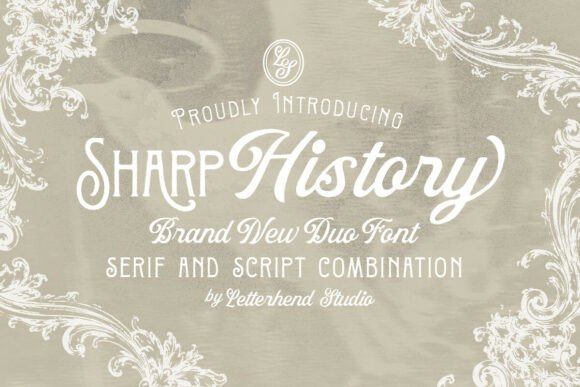
Sharp History is a beautifully crafted font duo that seamlessly blends a decorative serif with a smooth, elegant script. This combination offers a unique and versatile solution for designers and creatives looking to add a touch of vintage charm and refinement to their projects. Whether you're designing wedding invitations, branding materials, or editorial layouts, Sharp History provides a balanced and timeless look that can elevate your designs.
Understanding the Challenges in Design
One of the primary challenges in design is finding the right balance between classic and modern aesthetics. Many designers struggle to create a cohesive and visually appealing design that resonates with both traditional and contemporary audiences. Additionally, the need for versatility in fonts is crucial, as different projects require different styles and moods. For instance, a wedding invitation might call for an elegant and romantic feel, while a brand logo may need a more robust and professional appearance.
How Sharp History Can Help
Sharp History addresses these challenges by offering a harmonious blend of two distinct yet complementary styles. The decorative serif style adds a classic character with subtle ornamental details, making it perfect for adding a touch of elegance and sophistication. On the other hand, the smooth, elegant script brings a soft and natural flow, ideal for names, quotes, and signatures. Together, these two styles create a balanced and timeless look that can be adapted to various design needs.
Practical Applications and Outcomes
The versatility of Sharp History makes it suitable for a wide range of applications:
- Wedding Invitations: The elegant and romantic feel of Sharp History can set the perfect tone for a memorable event. The script style can be used for names and personal messages, while the serif style can add a touch of formality to the overall design.
- Branding and Logos: Brands looking to convey a sense of tradition and refinement can benefit from the classic yet modern look of Sharp History. The serif style can be used for the main brand name, while the script can add a personal and unique touch.
- Packaging and Labels: Product packaging and labels can use Sharp History to create a high-end and sophisticated look. The serif style can be used for product names and descriptions, while the script can add a touch of luxury and exclusivity.
- Editorial Layouts and Greeting Cards: For editorial designs and greeting cards, Sharp History can help create a cohesive and visually appealing layout. The script style can be used for headings and titles, while the serif style can be used for body text and additional details.
Examples and Recommendations
Consider the following example: A boutique winery wants to rebrand its label to reflect a more upscale and refined image. By using Sharp History, the winery can achieve this goal. The serif style can be used for the winery's name and the wine variety, while the script style can be used for the vineyard's location and a short, elegant description. This combination will not only enhance the visual appeal of the label but also convey a sense of quality and tradition.
Another recommendation is to use Sharp History for a wedding invitation suite. The serif style can be used for the main text, such as the couple's names and the event details, while the script style can be used for the RSVP information and any personal messages. This approach will create a cohesive and elegant look that sets the tone for the special day.
Useful Considerations
When using Sharp History, it's important to consider the context and the overall design. Here are some useful considerations:
- Legibility: While the script style adds a beautiful and flowing look, it may not be as legible as the serif style. Use the script style for shorter text, such as names and short quotes, and the serif style for longer text and detailed information.
- Color and Contrast: To ensure that the text is easily readable, use colors and contrasts that complement each other. For example, a dark serif style on a light background can provide excellent contrast, while a lighter script style on a darker background can create a subtle and elegant effect.
- Consistency: Maintain consistency in the use of the two styles. For example, if you use the serif style for headings, continue to use it throughout the design for similar elements. This will help create a cohesive and professional look.
Different Approaches for Different Users
Different users may approach the use of Sharp History in various ways, depending on their specific needs and goals. For instance, a graphic designer working on a branding project may focus on the serif style to create a strong and professional identity, while a wedding planner may emphasize the script style to add a personal and romantic touch to the invitations.
For a graphic designer, the key is to use Sharp History to create a consistent and recognizable brand identity. This can be achieved by using the serif style for the main brand elements, such as the logo and tagline, and the script style for secondary elements, such as promotional materials and social media graphics.
For a wedding planner, the focus is on creating a personalized and elegant experience. The script style can be used for the couple's names, the wedding date, and any personal messages, while the serif style can be used for the venue, time, and other essential details. This combination will create a balanced and visually appealing design that reflects the couple's unique style and personality.
Conclusion
Sharp History is a versatile and elegant font duo that can help designers and creatives add a touch of vintage charm and refinement to their projects. Whether you're working on wedding invitations, branding, packaging, or editorial layouts, Sharp History offers a balanced and timeless look that can elevate your designs. By considering the context, legibility, color, and consistency, you can effectively use Sharp History to create stunning and professional designs that resonate with your audience.